



Precision ICSI Treatment in Delhi NCR: Finding the Right Treatment

Precision ICSI Treatment in Delhi NCR: Finding the Right Treatment

Every treatment decision is shaped with 20+ years of proven clinical experience
Trust
25,000+
Happy Families
Result
78%+
IVF Success Rate
Positive
1,650+
Google Reviews
Heritage
20+
Years of Experience


What Is ICSI Treatment?
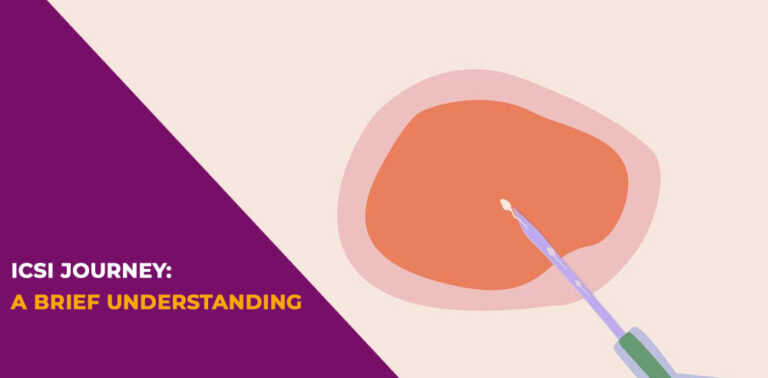
The full form of ICSI is Intracytoplasmic Sperm Injection. It is an advanced fertilisation technique in which a single selected sperm is injected directly into a mature egg in the embryology laboratory.
For couples wondering what is ICSI treatment, it is important to understand that the technique is performed as part of IVF and is primarily used when sperm-related factors or previous fertilisation difficulties make conventional fertilisation less suitable.
ICSI treatment assists fertilisation, but embryo development, implantation, and pregnancy still depend on several biological factors.
— TREATMENT PROCEDURE
ICSI Treatment Procedure Step by Step
The procedure combines ovarian stimulation, egg retrieval, laboratory fertilisation, and embryo transfer. For couples considering ICSI treatment in Delhi NCR, the protocol is planned according to ovarian reserve, sperm parameters, previous fertility treatment, and individual clinical findings.

STEP 1. Ovarian Stimulation & Monitoring
Fertility medicines stimulate the ovaries to develop multiple follicles. Ultrasound scans and selected hormone tests help monitor ovarian response and determine the appropriate time for egg retrieval.
STEP 2. Egg Retrieval
Once the follicles are ready, eggs are collected through an ultrasound-guided procedure, usually performed under sedation. The retrieved eggs are assessed in the laboratory to identify those mature enough for injection.
STEP 3. Sperm Collection & Selection
A semen sample is collected and processed to identify suitable sperm. In selected cases of severe male infertility, surgically retrieved sperm may be used. Embryologists assess sperm movement and appearance before selecting sperm for injection.
STEP 4. Sperm Injection & Embryo Development
A single selected sperm is injected directly into each suitable mature egg. Fertilisation is assessed, and developing embryos are monitored in the laboratory to help determine their suitability for transfer or freezing.
STEP 5. Embryo Transfer & Pregnancy Testing
A suitable embryo may be transferred into the uterus or frozen for later use. After embryo transfer, a blood pregnancy test is performed at the recommended time to check whether pregnancy has occurred.

What Couples Should Know
Understanding what is ICSI treatment is only the first step. Couples should also know when it is recommended, how outcomes are assessed, and what to expect during treatment.
1. ICSI Is Not Automatically Better for Every Couple
ICSI fertility treatment may be considered for significant sperm-related problems, surgically retrieved sperm, or previous fertilisation failure. However, routine ICSI has not been shown to improve live-birth rates for couples without a relevant clinical indication.
2. ICSI Treatment Success Rate Depends on More Than Fertilisation
The ICSI treatment success rate depends on age, egg and sperm factors, embryo development, uterine health, and underlying fertility conditions. Successfully injecting sperm into an egg does not guarantee fertilisation, implantation, or pregnancy.
3. How Many ICSI Cycles to Get Pregnant?
There is no fixed answer to how many ICSI cycles are required to get pregnant. Some couples may conceive after their first attempt, while others may require additional cycles. Age, embryo availability, previous treatment outcomes, and the underlying fertility problem influence future planning.
4. Is ICSI Painful for Men?
Couples often ask if ICSI is painful for men. The injection itself happens in the laboratory, not inside the man’s body. Semen collection is generally non-invasive, although surgical sperm retrieval, when needed, may involve anaesthesia and temporary discomfort.
5. ICSI Does Not Guarantee Embryo Formation or Pregnancy
Although ICSI helps a selected sperm enter a mature egg, not every injected egg will fertilise or develop into a suitable embryo. When discussing the ICSI treatment success rate, couples should distinguish fertilisation rates from pregnancy and live-birth rates.
Why Choose Zeeva Fertility for ICSI Treatment?
At Zeeva Fertility, ICSI treatment is planned according to the couple’s medical needs rather than being recommended automatically for every IVF cycle. For couples searching for ICSI infertility treatment in Delhi NCR, our approach focuses on appropriate patient selection, laboratory coordination, and personalised fertility planning.

1. Treatment Based on Individual Fertility Factors
Before recommending ICSI treatment in Delhi NCR, our specialists review semen parameters, previous fertilisation results, ovarian reserve, and the couple’s fertility history. This helps determine whether ICSI offers a clinically appropriate approach.
2. Careful Sperm & Egg Assessment
Embryologists assess egg maturity and the available sperm before fertilisation. This evaluation helps guide sperm selection and laboratory planning for ICSI fertility treatment, although appearance alone cannot guarantee genetic normality or embryo quality.
3. Coordinated Clinical & Embryology Care
Fertility specialists and embryologists coordinate ovarian stimulation, egg retrieval, sperm preparation, fertilisation, embryo development, and transfer planning. This supports continuity throughout ICSI infertility treatment in Delhi NCR.
4. Clear Guidance Before Every Treatment Stage
Couples receive explanations about the ICSI treatment full form, why the procedure is recommended, what happens during each stage, and possible outcomes.
Our team also addresses common questions such as what is ICSI treatment, how many ICSI cycles to get pregnant, and is ICSI painful for men? Counselling includes realistic expectations about the ICSI treatment success rate and the next steps.
For couples seeking ICSI treatment in Delhi NCR, clear information and continued support remain important throughout the fertility journey.
— Common questions
Fertility Questions, Answered
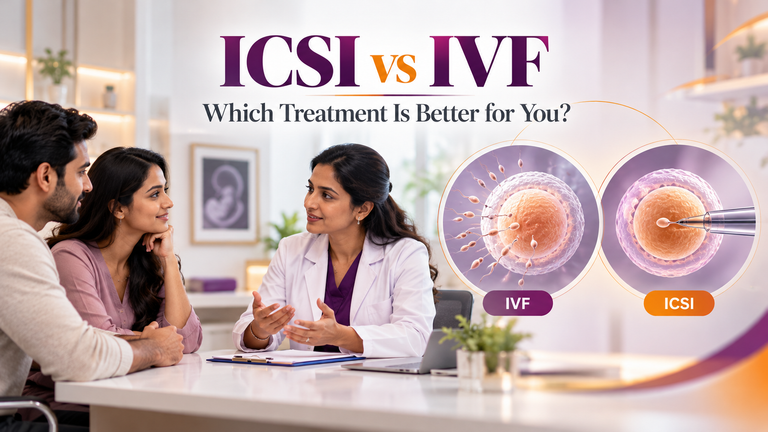
In conventional IVF, eggs and sperm are placed together in a laboratory for fertilisation. In ICSI, a single sperm is injected directly into a mature egg. ICSI is a specialised technique performed as part of IVF.
ICSI may be recommended for low sperm count, poor sperm motility, surgically retrieved sperm or previous fertilisation difficulties during IVF.
No. Although ICSI is mainly used for male infertility, it may also be considered after previous fertilisation failure or when using previously frozen eggs.
ICSI is performed on eggs in a laboratory, so patients do not feel the injection itself. However, ovarian stimulation and egg retrieval may cause temporary discomfort.
An ICSI cycle generally follows the IVF timeline, with ovarian stimulation and egg retrieval taking approximately 2–3 weeks. Embryo transfer timing may vary depending on the treatment plan.
No. ICSI helps sperm enter the egg, but fertilisation is not guaranteed. Outcomes depend on egg and sperm quality and other biological factors.
ICSI outcomes depend on age, egg and sperm quality, embryo development and underlying fertility conditions. Successful fertilisation does not always lead to pregnancy.
ICSI may help when a previous IVF cycle had poor or failed fertilisation. However, it is not a solution for every unsuccessful IVF cycle.
ICSI carries the usual risks of IVF, along with a small risk of egg damage during sperm injection. Your specialist can explain other potential risks based on your circumstances.
Maintaining a balanced diet, avoiding smoking, limiting alcohol and managing existing health conditions can support reproductive health. However, lifestyle changes cannot guarantee ICSI success.

Meet Our Fertility Experts
The Experts Guiding Your Journey
Dr. Shweta Goswami
Dr. Aarthi Mani
Dr. Shuchi Lakhanpal Kalia

Dr. Shipra Gupta
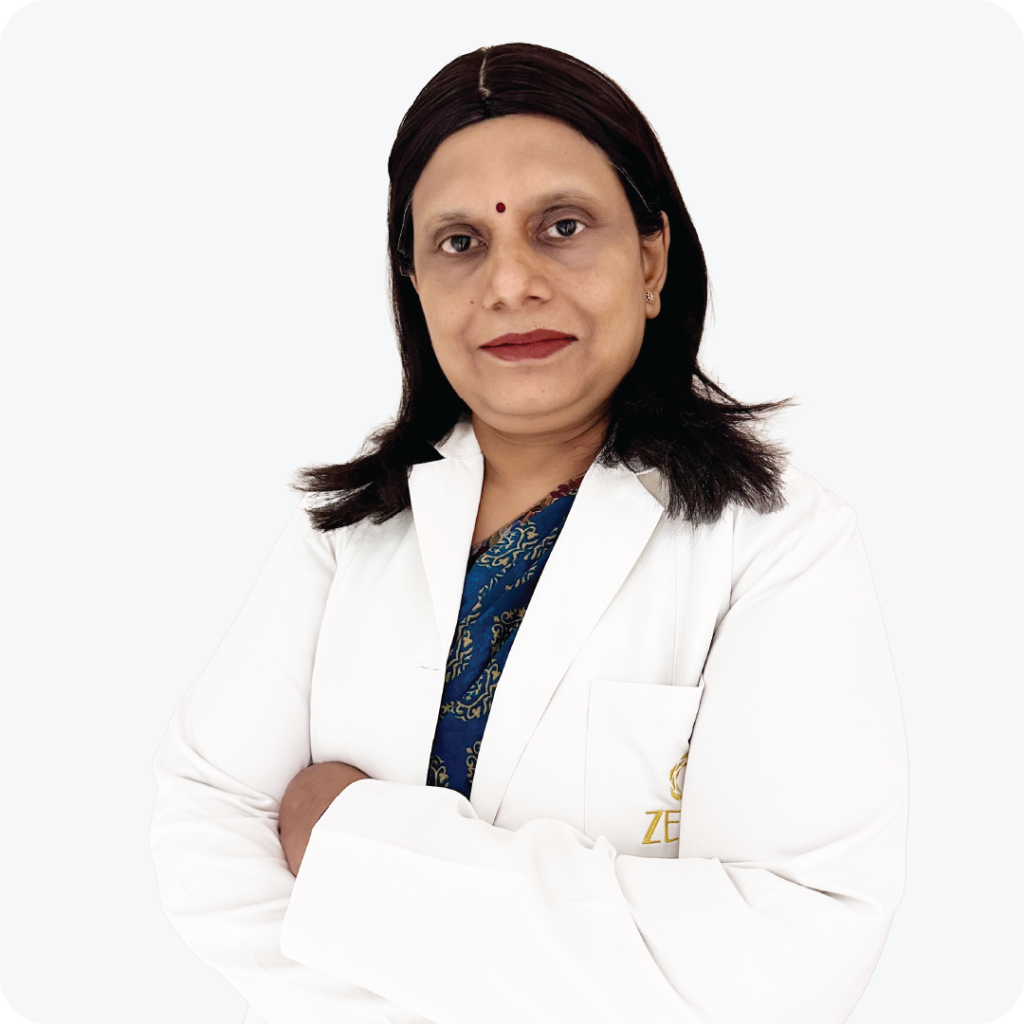
Dr. Snehal Shah Mahajan
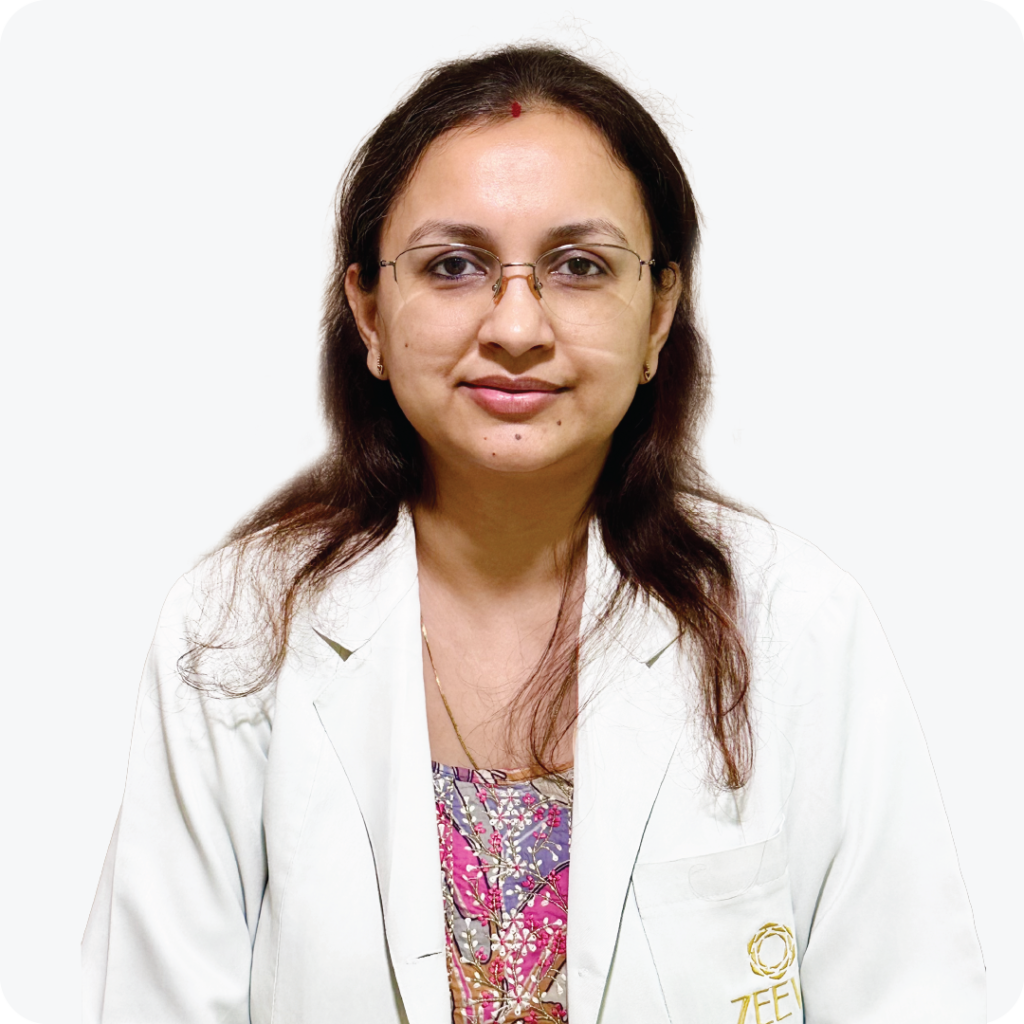
Dr. Mayank Sharma

Dr. Avnika Kapoor

Dr. Ayushi Bhardwaj

Dr Deepika Mann

— Our Centres
Quality Fertility Care, Now Near You
Our cutting-edge fertility centres across Delhi NCR — Noida, Delhi, Ghaziabad and Greater Noida
Zeeva Fertility in Sector 63, Noida
H 1A, 37, H Block, Sector 63, Noida, Uttar Pradesh 201301
(+91) 7669381393
10 am - 6 pm

Zeeva Fertility in South Extension, Delhi
3rd Floor, M-2, South Extension II, Block M, New Delhi, Delhi 110049
(+91) 7669381393
10 am - 6 pm

Zeeva Fertility in Sector 104, Noida
Zeeva Clinic, HA 103A, First Floor, Sector 104, Noida, Uttar Pradesh 201304
(+91) 7669381393
11 am - 1 pm & 5 am - 9 pm
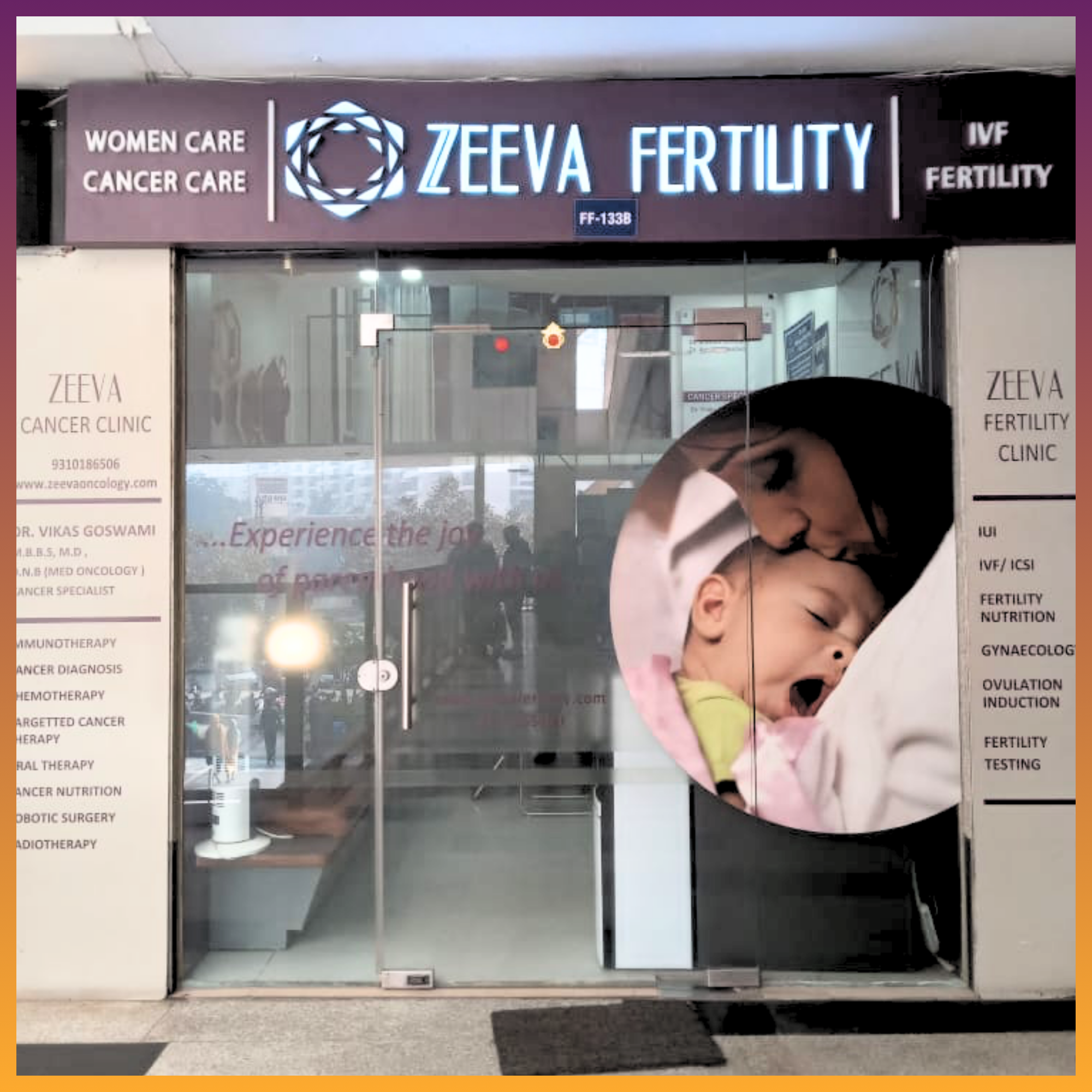
Zeeva Fertility in Greater Noida West
Zeeva Fertility, 9th Floor, NH-3, GH 01, Gaur City 1, Sector 4, Greater Noida west, Ghaziabad, Uttar Pradesh 201009
(+91) 7669381393
10 am - 1 pm
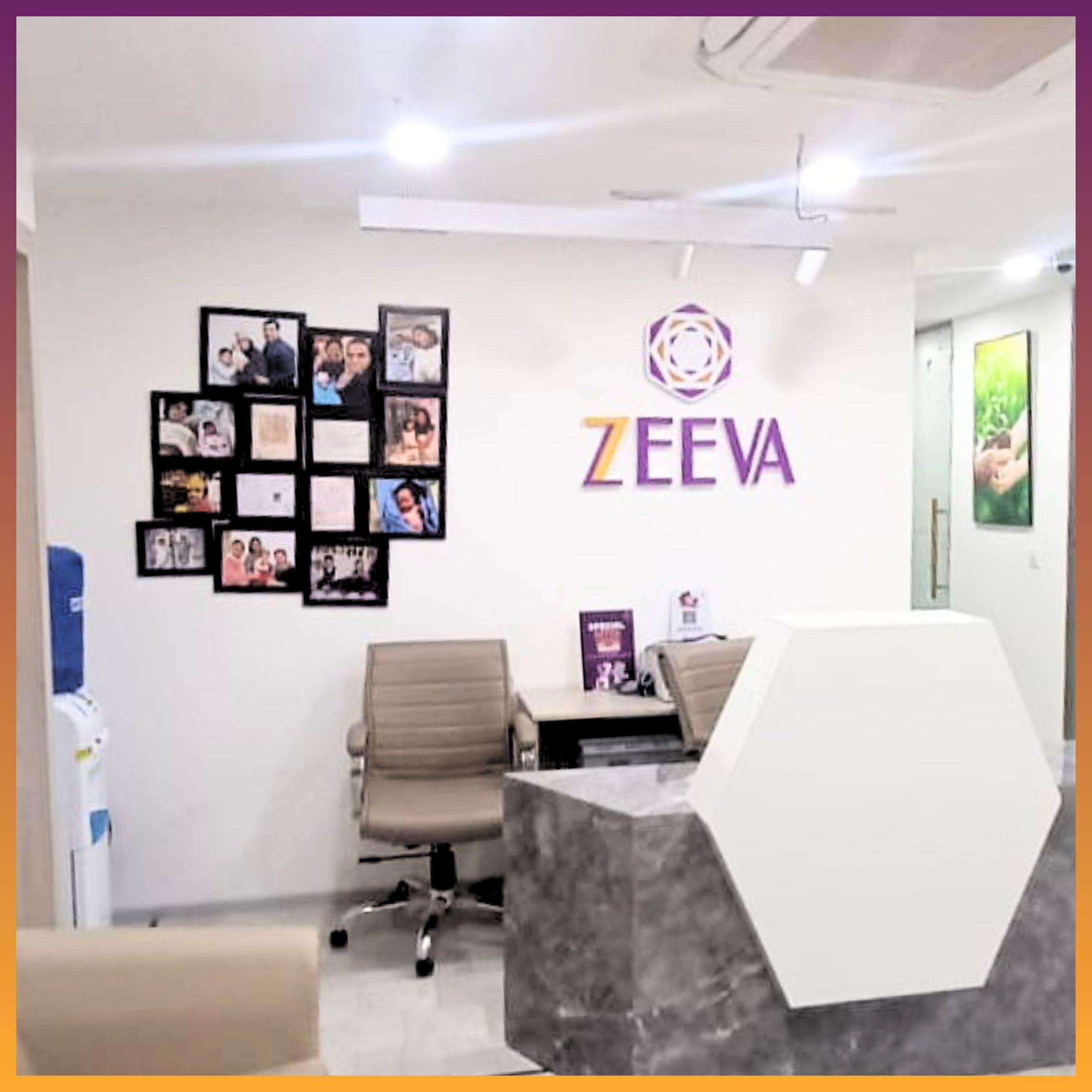
Zeeva Fertility in RDC, Ghaziabad
District Centre, RDC, Sector 15, Sector 10, Raj Nagar, Ghaziabad, Uttar Pradesh 201002
(+91) 7669381393
2 pm - 5 pm

Zeeva Fertility in Indirapuram, Ghaziabad
GF-01, 698, Niti Khand I, Indirapuram, Ghaziabad, Uttar Pradesh 201014
(+91) 7669381393
6 pm - 8 pm
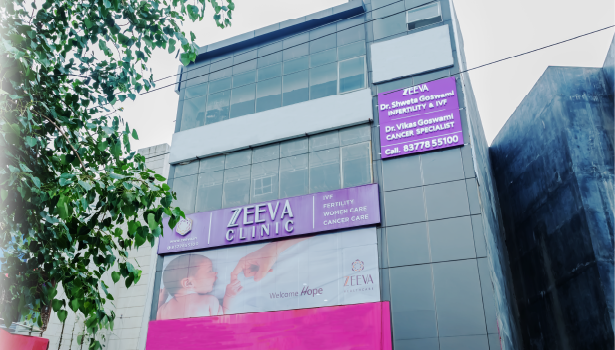
Zeeva Fertility in Sector 49, Gurugram
Ground Floor, BG 57, Element One Mall, Shop Number, Sector 49, Gurugram, Haryana, 122018
(+91) 7669381393
6 pm - 8 pm

What our patients are saying
Failed IVF
Natural Pregnancy
IVF
Tubal Blockage
Low AMH

IVF
Failed IVF
Ready to take the next step?
Talk to a Zeeva specialist — No pressure, clear options.
Real Stories. Real Hope. Real Families
- Enu Bakkey
- Marie Noela Eny
- Robina Khan
- Moshiur Rahman
Our Blogs
Expert fertility insights