



PMOS/PCOS Treatment in Delhi NCR: Voice of Hope
Every treatment decision is shaped with 20+ years of proven clinical experience
Trust
25,000+
Happy Families
Result
78%+
IVF Success Rate
Positive
1,650+
Google Reviews
Heritage
20+
Years of Experience


What is PMOS/PCOS?
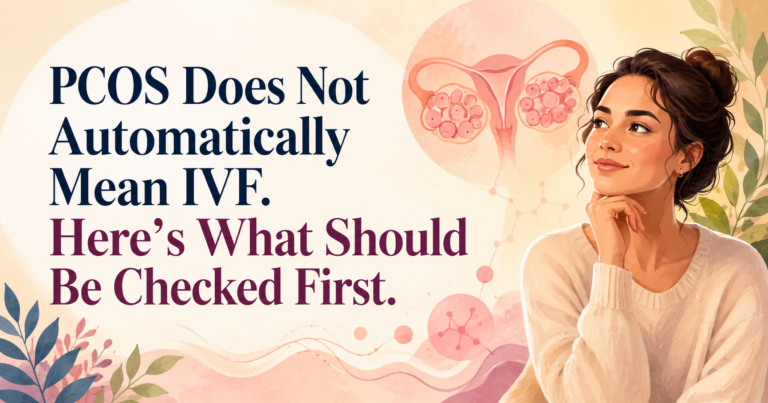
Polycystic Ovary Syndrome (PCOS), now known as Polyendocrine Metabolic Ovarian Syndrome (PMOS), is a common hormonal and metabolic condition that can affect ovulation, menstrual cycles, androgen levels, and fertility.
Today, PMOS better reflects that the condition affects more than just the ovaries. Women with PCOS experience irregular or missed periods, acne, excess facial or body hair, scalp hair thinning, or difficulty conceiving. Some may also develop insulin resistance, which can affect blood sugar regulation and long-term metabolic health.
However, PMOS/PCOS symptoms and treatment vary from one woman to another. Some women experience noticeable hormonal symptoms, while others discover the condition during a fertility evaluation. Treatment is therefore planned according to menstrual patterns, metabolic health, age, symptoms, and whether pregnancy is being considered.
— TREATMENT PROCEDURE
PCOS Diagnosis & Fertility Treatment Process Step by Step
A personalised approach to PCOS treatment in Delhi NCR begins with understanding menstrual cycles, ovulation, hormonal and metabolic health, and other factors that may affect conception. The evaluation helps determine whether lifestyle measures, medication, or fertility treatment may be appropriate.

STEP 1: Detailed Medical & Menstrual Evaluation
The fertility specialist reviews menstrual regularity, the frequency of missed periods, acne, excess hair growth, weight changes, metabolic history, previous pregnancies, and earlier treatment.
This helps identify signs of irregular ovulation or increased androgen activity, two important features considered during PCOS diagnosis.
STEP 2: Hormonal and Ultrasound Assessment
There is no single PCOS diagnosis test that confirms the condition in every patient. Doctors assess symptoms and may recommend blood tests to evaluate androgen levels and exclude other hormonal conditions with similar symptoms.
In adults, PCOS is generally diagnosed when at least two of three features are present: irregular ovulation, clinical or biochemical hyperandrogenism, or polycystic ovarian morphology, after excluding other causes.
Pelvic ultrasound or, in appropriate adults, AMH testing may help assess the ovarian follicle pattern. However, neither should be used as a standalone diagnostic test. Different criteria apply to adolescents.
STEP 3: Assessing Fertility Factors
When pregnancy is the goal, the doctor considers age, ovulation, the duration of infertility, fallopian tube health, and the male partner’s semen parameters.
This is important because PCOS and fertility are closely linked, but irregular ovulation may not be the only reason a couple is having difficulty conceiving. Evaluating both partners helps avoid overlooking other factors.
STEP 4: Personalised Treatment Planning
PCOS treatment depends on whether the priority is managing symptoms, regulating periods, improving metabolic health, or achieving pregnancy.
For women who are trying to conceive and are not ovulating regularly, ovulation-induction medication may be recommended. Letrozole is recognised by international guidelines as a first-line medicine for PCOS-related anovulatory infertility when no other infertility factors are present.
Timed intercourse, IUI, or IVF may also be considered depending on the complete PCOS symptoms and treatment evaluation. Not every woman with PCOS needs advanced fertility treatment.
STEP 5: Monitoring & Follow-Up
Ultrasound monitoring may be used to track follicular development, assess ovarian response, and help plan the timing of treatment.
Follow-up may also include reviewing menstrual cycles, treatment response, and metabolic health. Blood glucose and cardiovascular risk factors deserve attention because PCOS is associated with an increased risk of metabolic complications.
PCOS and fertility treatment can then be adjusted according to clinical findings, symptoms, and pregnancy goals.

What Couples Should Know About PMOS/PCOS
PCOS is a common cause of irregular ovulation, but having PCOS does not mean pregnancy is impossible. Many women can conceive naturally or with appropriate PCOS symptoms and treatment. Understanding the following points can help couples make more informed decisions.
1. PCOS Does Not Affect Every Woman in the Same Way
Some women mainly experience irregular periods, while others may also have acne, excess facial hair, scalp hair thinning, insulin resistance, or difficulty conceiving.
Symptoms can vary considerably, and the severity of menstrual or physical symptoms does not always indicate how much fertility is affected.
2. Irregular Ovulation Is Often the Main Fertility Concern
Women with PCOS may release eggs less frequently or unpredictably, making it more difficult to identify fertile days and time intercourse.
However, irregular ovulation can often be managed with appropriate treatment. In suitable patients, medicines can help stimulate ovulation and improve opportunities for conception.
3. Ultrasound Alone Does Not Diagnose PCOS
An ultrasound showing multiple small ovarian follicles does not automatically mean a woman has PCOS.
Diagnosis requires an assessment of menstrual history, ovulation, androgen-related symptoms, and relevant test findings. Other hormonal conditions may also need to be excluded.
In adults, AMH may sometimes be used instead of ultrasound as part of the diagnostic process, but it should not be used alone to diagnose PCOS.
4. Lifestyle Support Can Be Part of Treatment
Healthy eating, regular physical activity, adequate sleep, and appropriate metabolic health management are important parts of PCOS care.
A sustainable PCOS treatment diet may include vegetables, fruits, whole grains, protein-rich foods, and healthy fats. However, international guidelines do not identify one specific diet as superior for all women with PCOS.
Lifestyle changes can support overall health and metabolic wellbeing, but medication or additional medical care may still be necessary depending on the patient’s symptoms and fertility needs.
PCOS does not automatically mean that IVF is necessary.
For women whose main PCOS and fertility concern is irregular ovulation, treatment may begin with ovulation-induction medication and timed intercourse. Other options may be considered if earlier treatment is unsuccessful or additional fertility factors are present.
IVF is generally considered when clinically indicated rather than being the first recommendation for every woman with PCOS.
5. IVF Is Not Required for Everyone with PCOS
PCOS does not automatically mean that IVF is necessary.
For women whose main PCOS and fertility concern is irregular ovulation, treatment may begin with ovulation-induction medication and timed intercourse. Other options may be considered if earlier treatment is unsuccessful or additional fertility factors are present.
IVF is generally considered when clinically indicated rather than being the first recommendation for every woman with PCOS.
Why Choose Zeeva Fertility for PMOS/PCOS Treatment?
At Zeeva Fertility, we understand that managing PCOS involves more than regulating menstrual cycles. Our approach considers hormonal symptoms, metabolic health, ovulation, and individual reproductive goals. For women seeking PMOS/PCOS treatment in Delhi NCR, our focus is on providing personalised fertility care that addresses the patient’s complete medical picture rather than relying on a single symptom or test result.

1. Comprehensive PCOS Evaluation
Our fertility team evaluates menstrual history, ovulation patterns, androgen-related symptoms, hormone test results, ultrasound findings, and relevant metabolic factors.
When pregnancy is the goal, other fertility factors are also considered, including age, tubal health, and semen parameters. This helps develop a treatment plan based on the couple’s overall reproductive health.
2. Personalised Ovulation and Fertility Planning
Treatment is planned according to age, menstrual cycle patterns, ovarian response, fertility history, and pregnancy goals.
For patients with irregular ovulation, appropriate medication may be considered to help support egg development and release. The treatment pathway is individualised rather than following the same approach for every patient.
3. Stepwise Fertility Treatment Options
Depending on the clinical findings, treatment may include lifestyle support, ovulation induction, timed intercourse, IUI, or IVF.
The aim is to select an appropriate treatment without unnecessary procedures or delays. Assisted reproductive treatment is recommended when the patient’s medical circumstances indicate a need for it.
4. Monitoring and Continued Support
Monitoring helps the clinical team assess follicular growth, ovulation, and treatment response, allowing adjustments when needed.
As a leading centre for PCOS treatment in Delhi NCR, we also recognise that fertility treatment involves ongoing questions and decisions. Our team guides evaluation, treatment planning, and follow-up, helping patients understand their options at every stage.
— Common questions
Fertility Questions, Answered
PCOS can make conception more difficult mainly because ovulation may be irregular or absent. However, many women with PCOS can conceive naturally or with appropriate fertility treatment.
Yes. Natural pregnancy is possible, especially when ovulation occurs regularly and there are no additional fertility problems.
Treatment may include lifestyle support, ovulation induction, timed intercourse, IUI, or IVF depending on age, ovulation, semen parameters, tubal health, and previous treatment response.
No. IVF is not required for every patient with PCOS. Many women may respond to ovulation induction or other less invasive treatment options first.
PCOS diagnosis usually involves menstrual history, symptoms, hormone evaluation, and sometimes pelvic ultrasound while also ruling out other conditions that can cause similar symptoms.

Meet Our Fertility Experts
The Experts Guiding Your Journey
Dr. Shweta Goswami
Dr. Aarthi Mani
Dr. Snehal Shah Mahajan
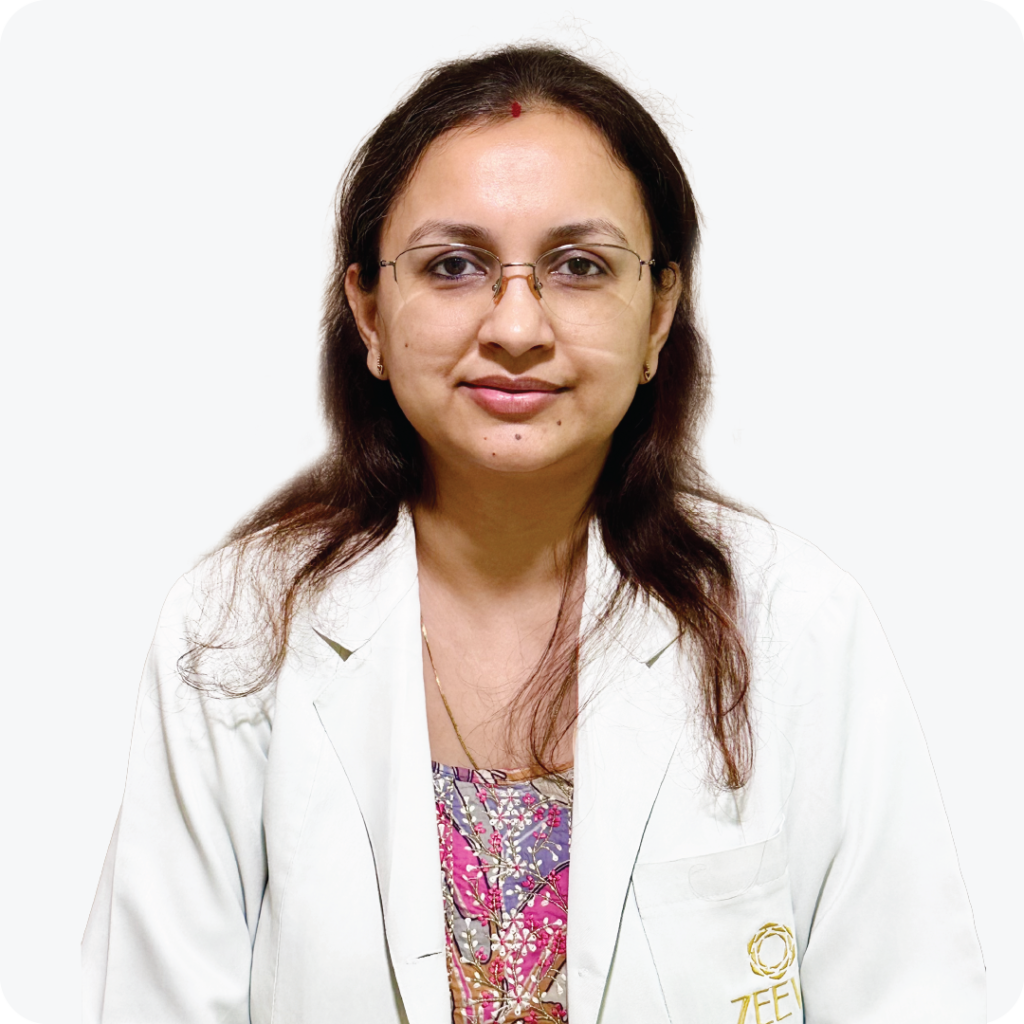
Dr. Mayank Sharma
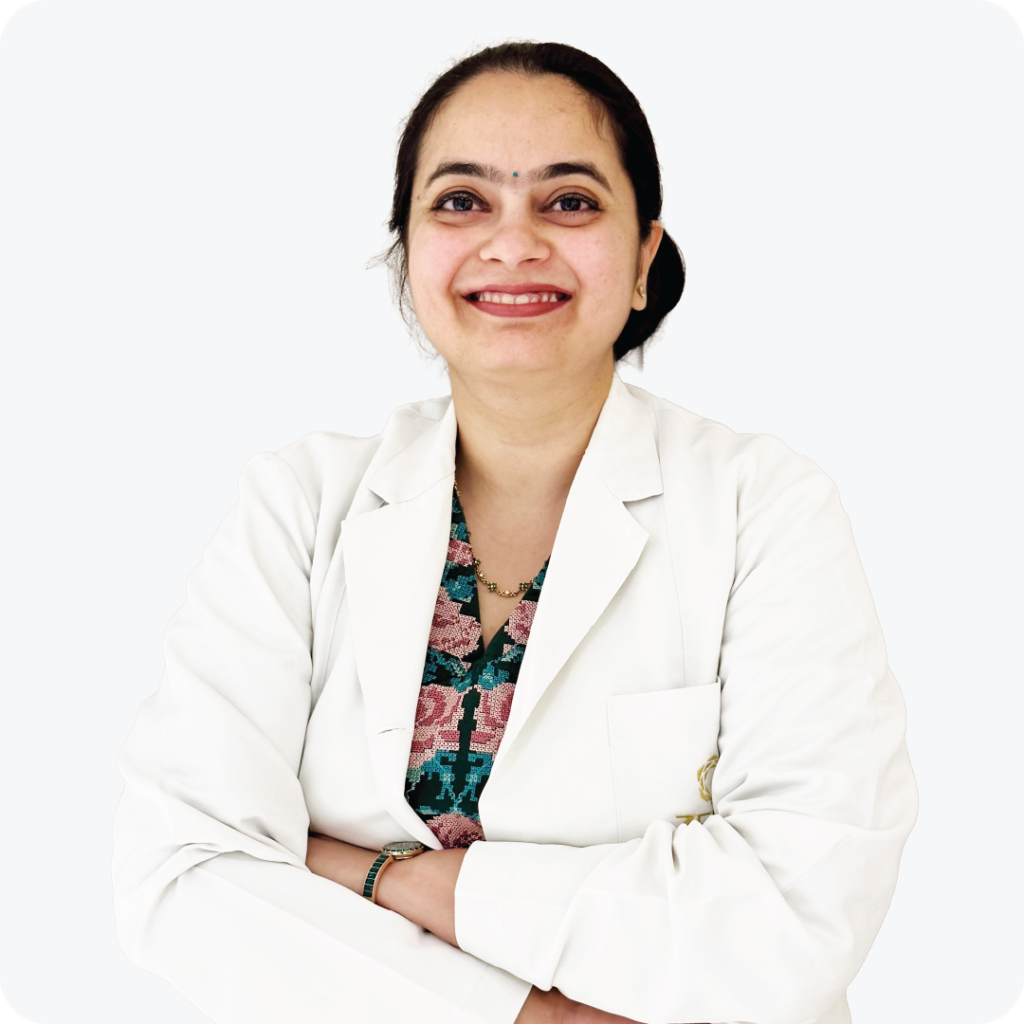
Dr. Avnika Kapoor
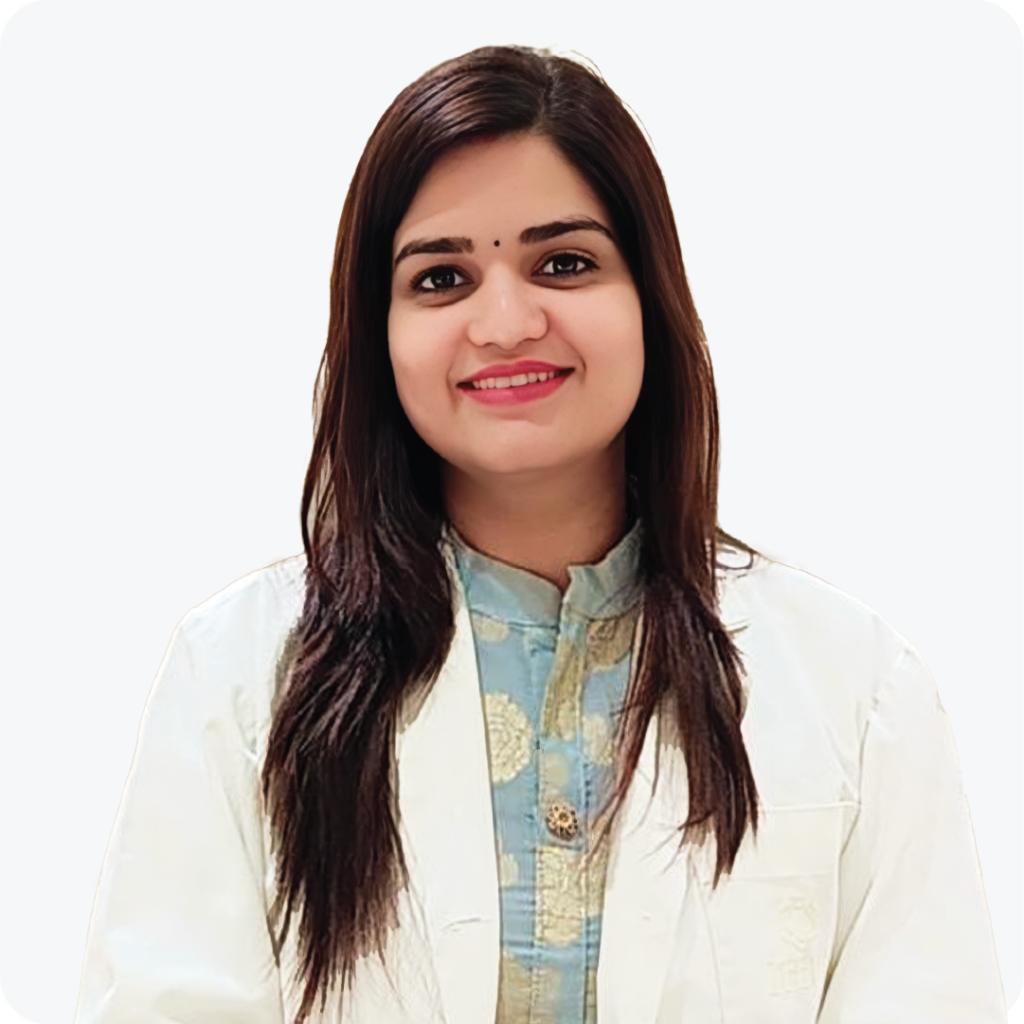
Dr. Ayushi Bhardwaj
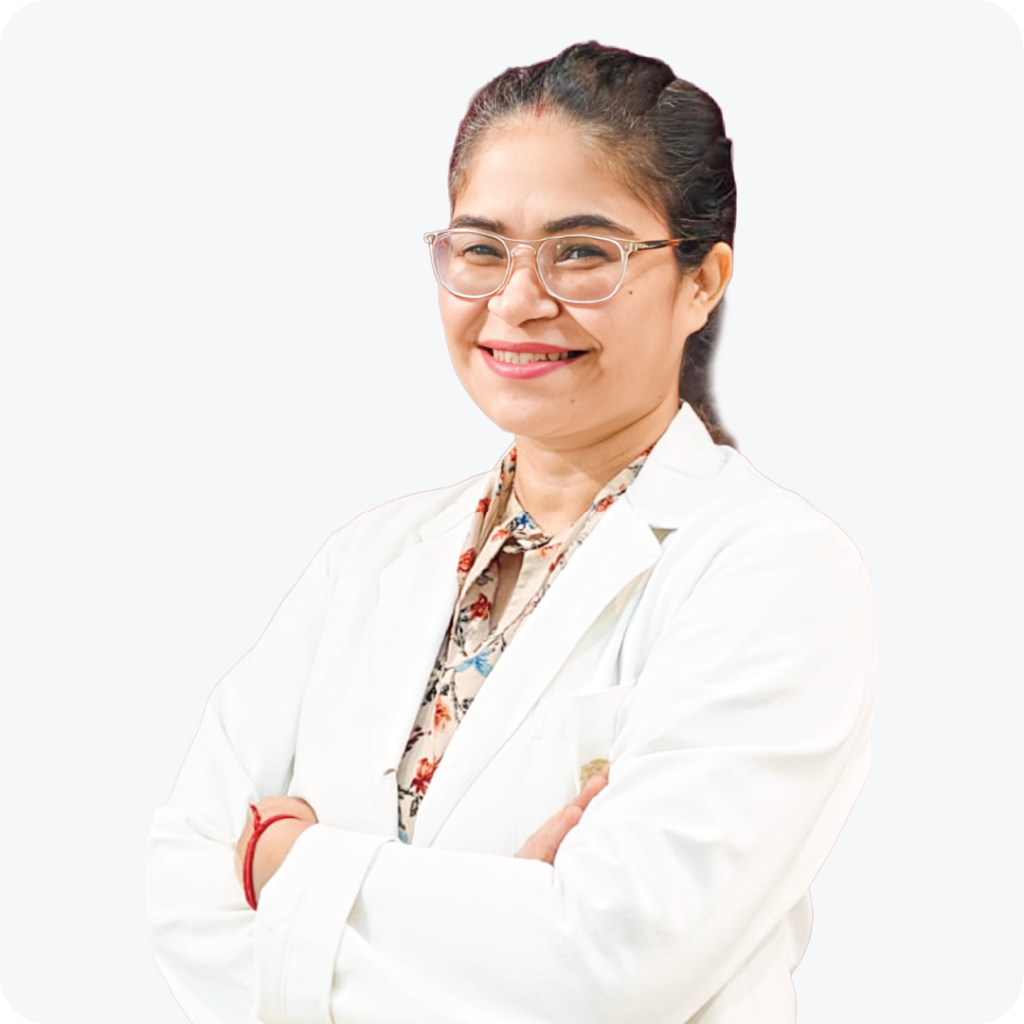
Dr Deepika Mann

Dr Aayushi Bansal
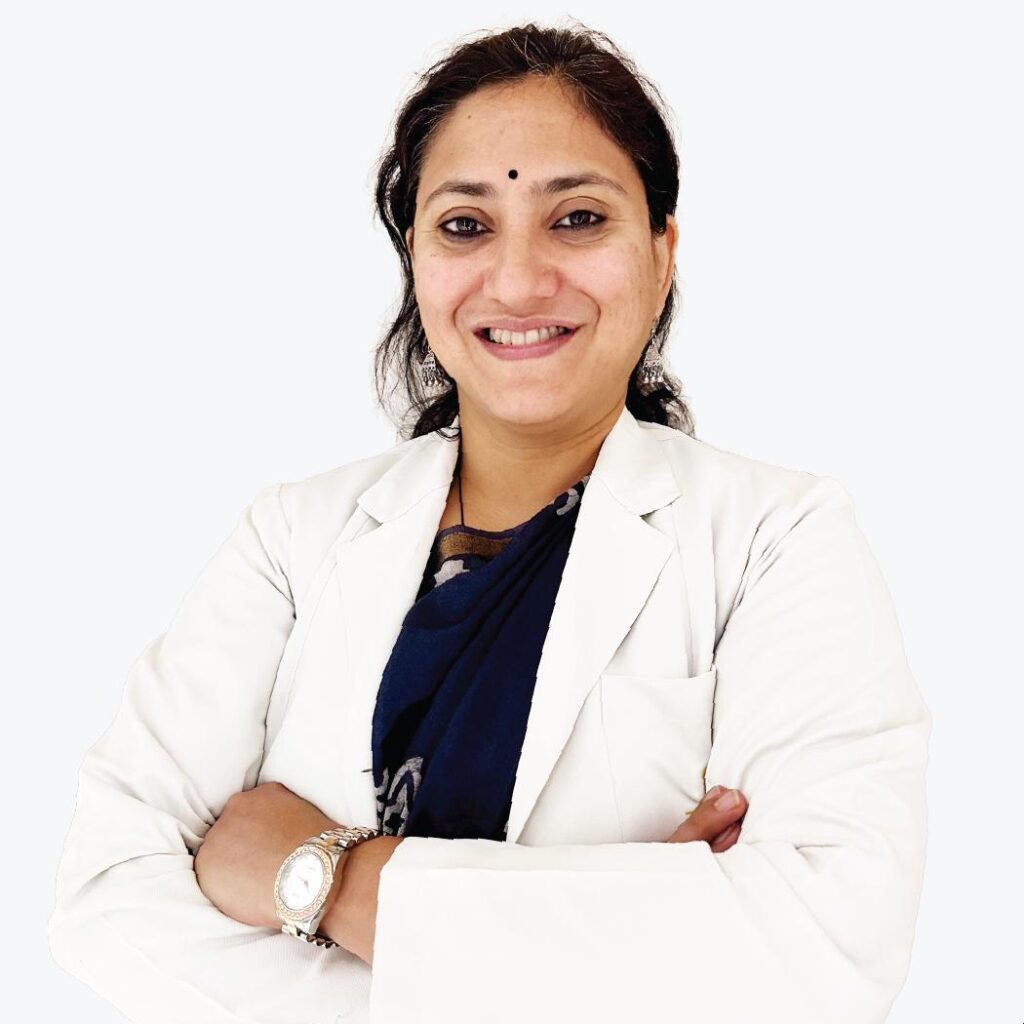
Dr. Shuchi Lakhanpal Kalia
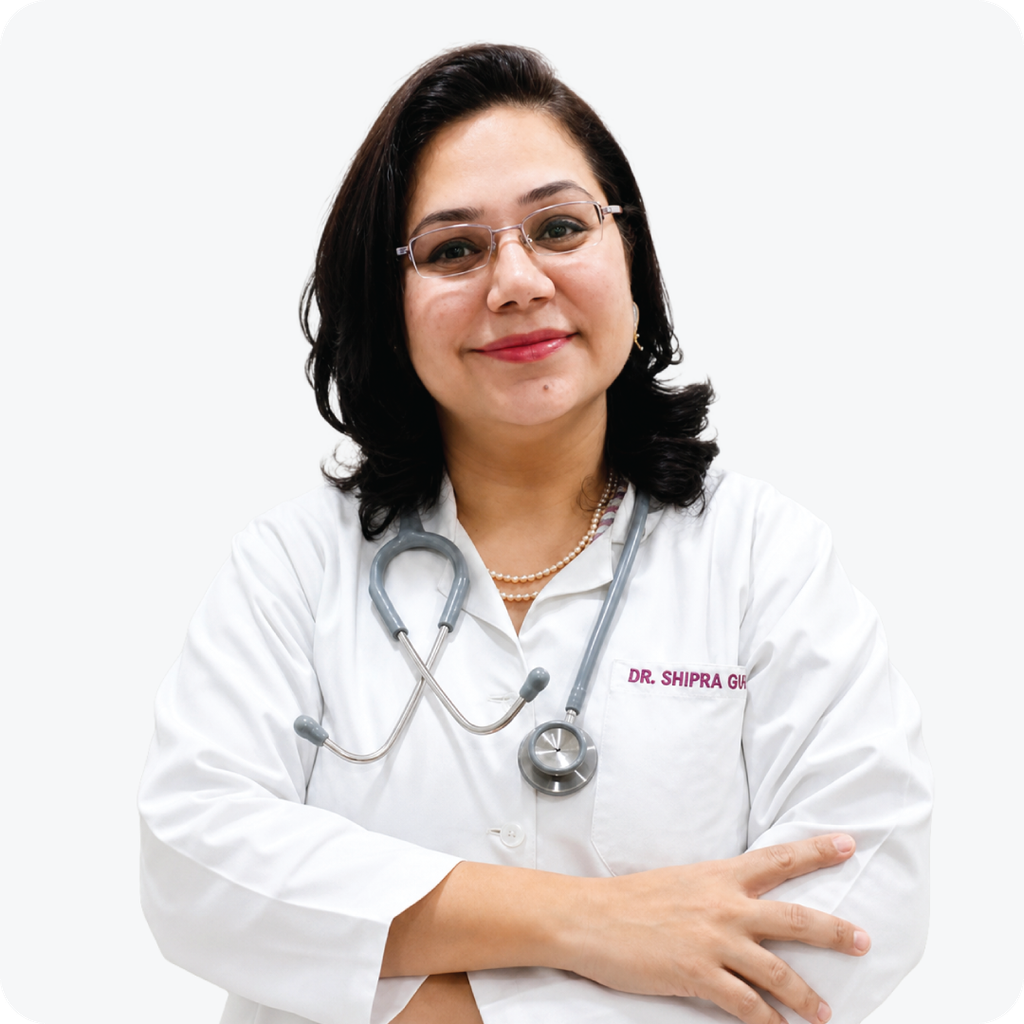
Dr. Shipra Gupta

— Our Centres
Quality Fertility Care, Now Near You
Our cutting-edge fertility centres across Delhi NCR — Noida, Delhi, Ghaziabad and Greater Noida
Zeeva Fertility in Sector 63, Noida
H 1A, 37, H Block, Sector 63, Noida, Uttar Pradesh 201301
(+91) 7669381393
10 am - 6 pm

Zeeva Fertility in South Extension, Delhi
3rd Floor, M-2, South Extension II, Block M, New Delhi, Delhi 110049
(+91) 7669381393
10 am - 6 pm
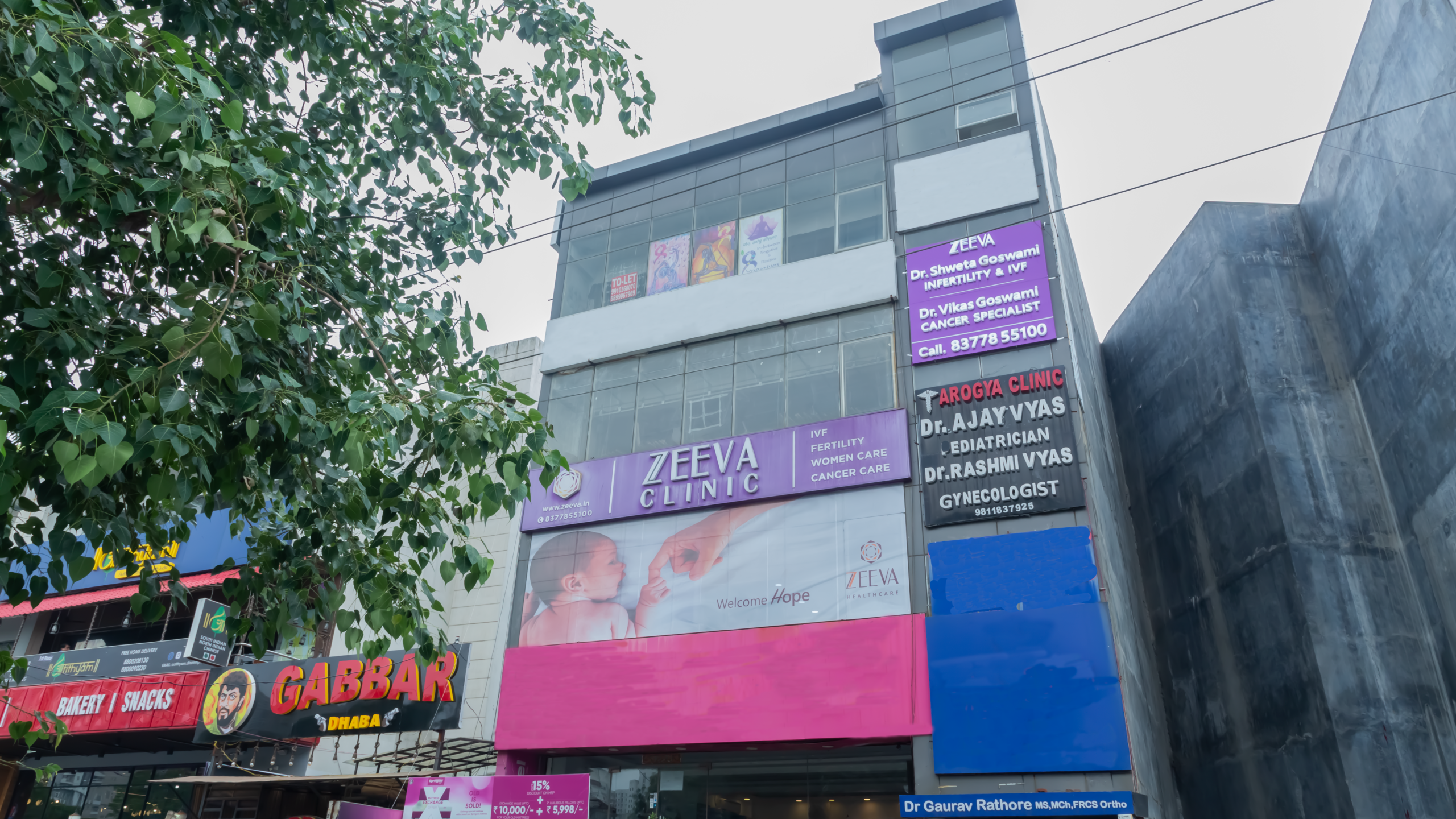
Zeeva Fertility in Sector 104, Noida
Zeeva Clinic, HA 103A, First Floor, Sector 104, Noida, Uttar Pradesh 201304
(+91) 7669381393
11 am - 1 pm & 5 am - 9 pm
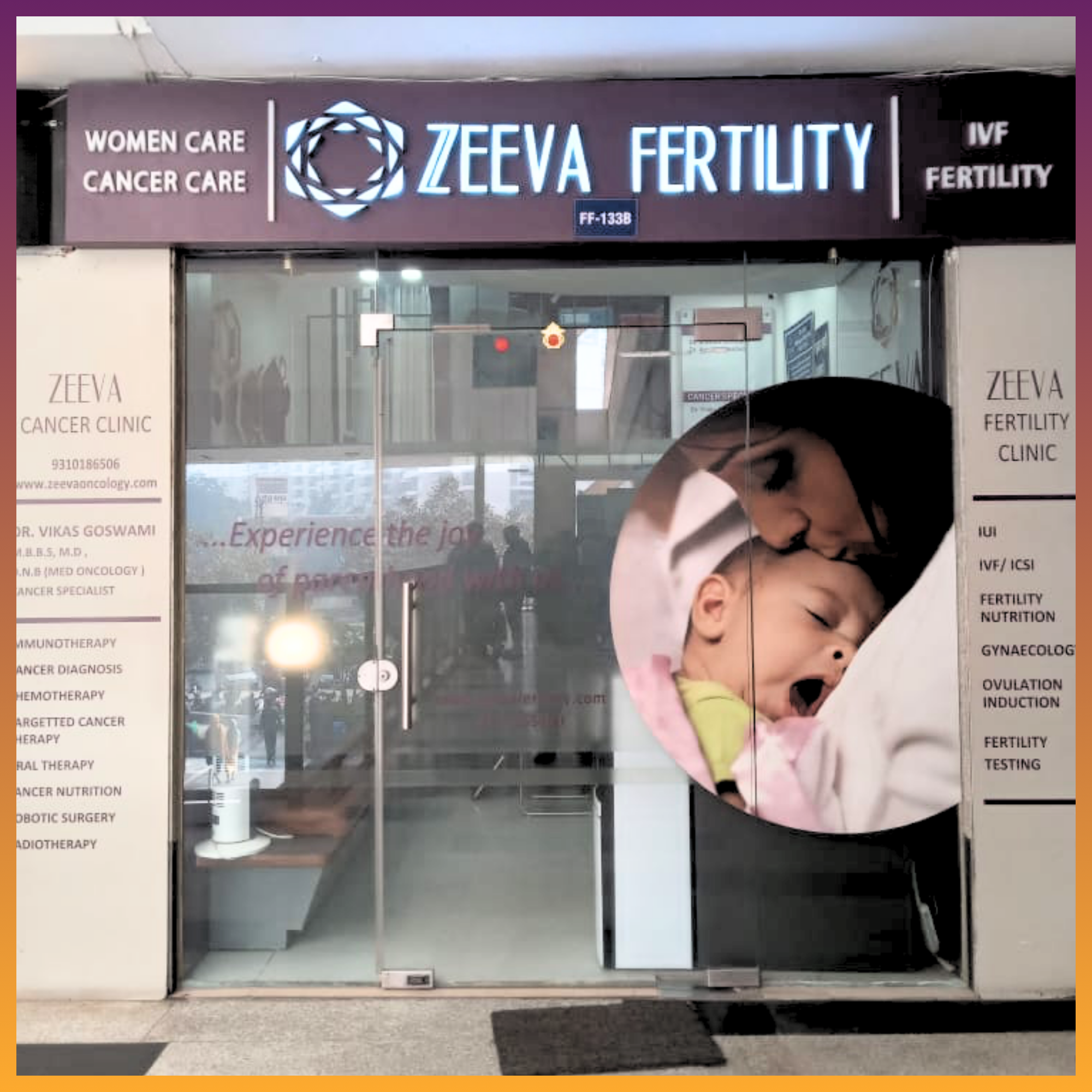
Zeeva Fertility in Greater Noida West
Zeeva Fertility, 9th Floor, NH-3, GH 01, Gaur City 1, Sector 4, Greater Noida west, Ghaziabad, Uttar Pradesh 201009
(+91) 7669381393
10 am - 1 pm
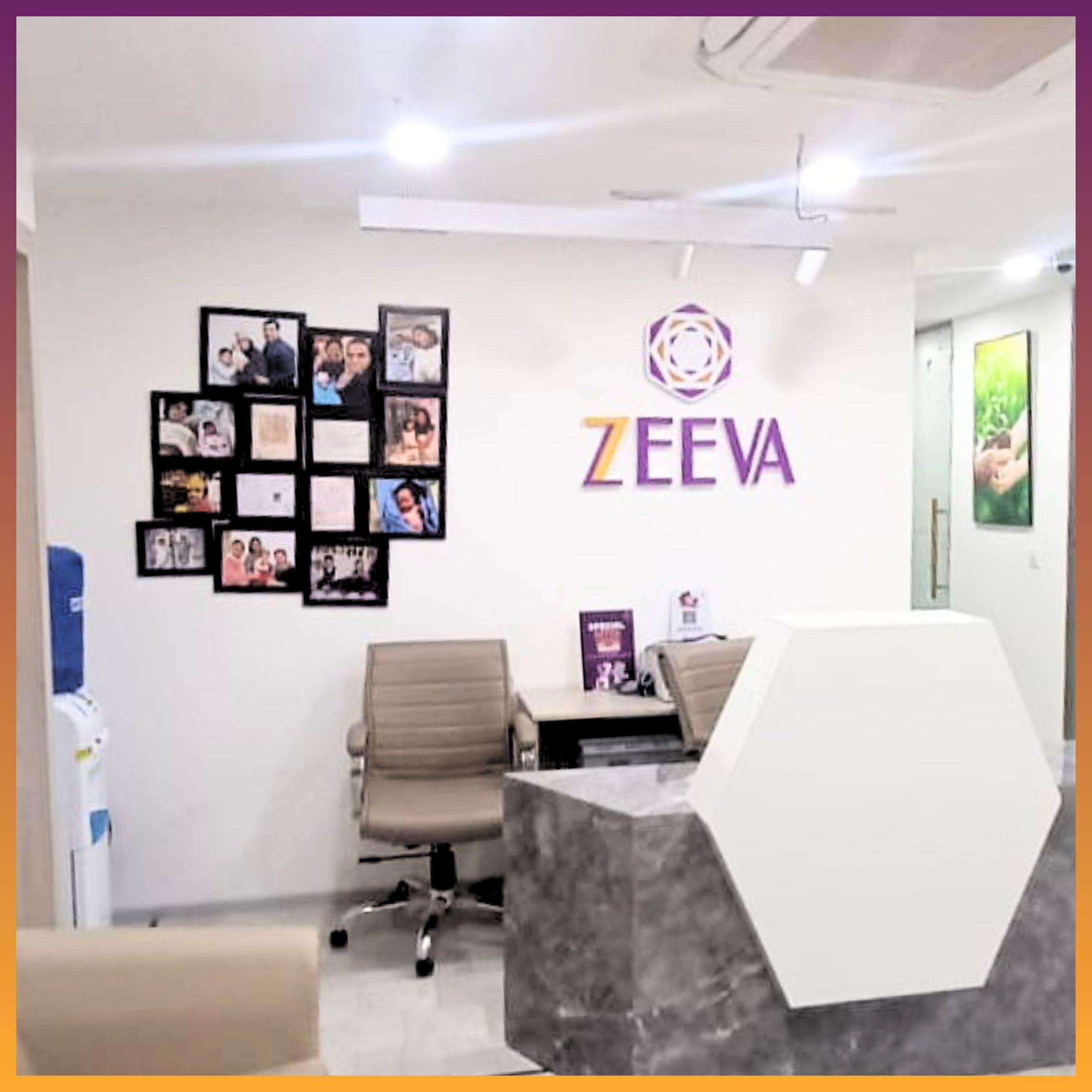
Zeeva Fertility in RDC, Ghaziabad
District Centre, RDC, Sector 15, Sector 10, Raj Nagar, Ghaziabad, Uttar Pradesh 201002
(+91) 7669381393
2 pm - 5 pm
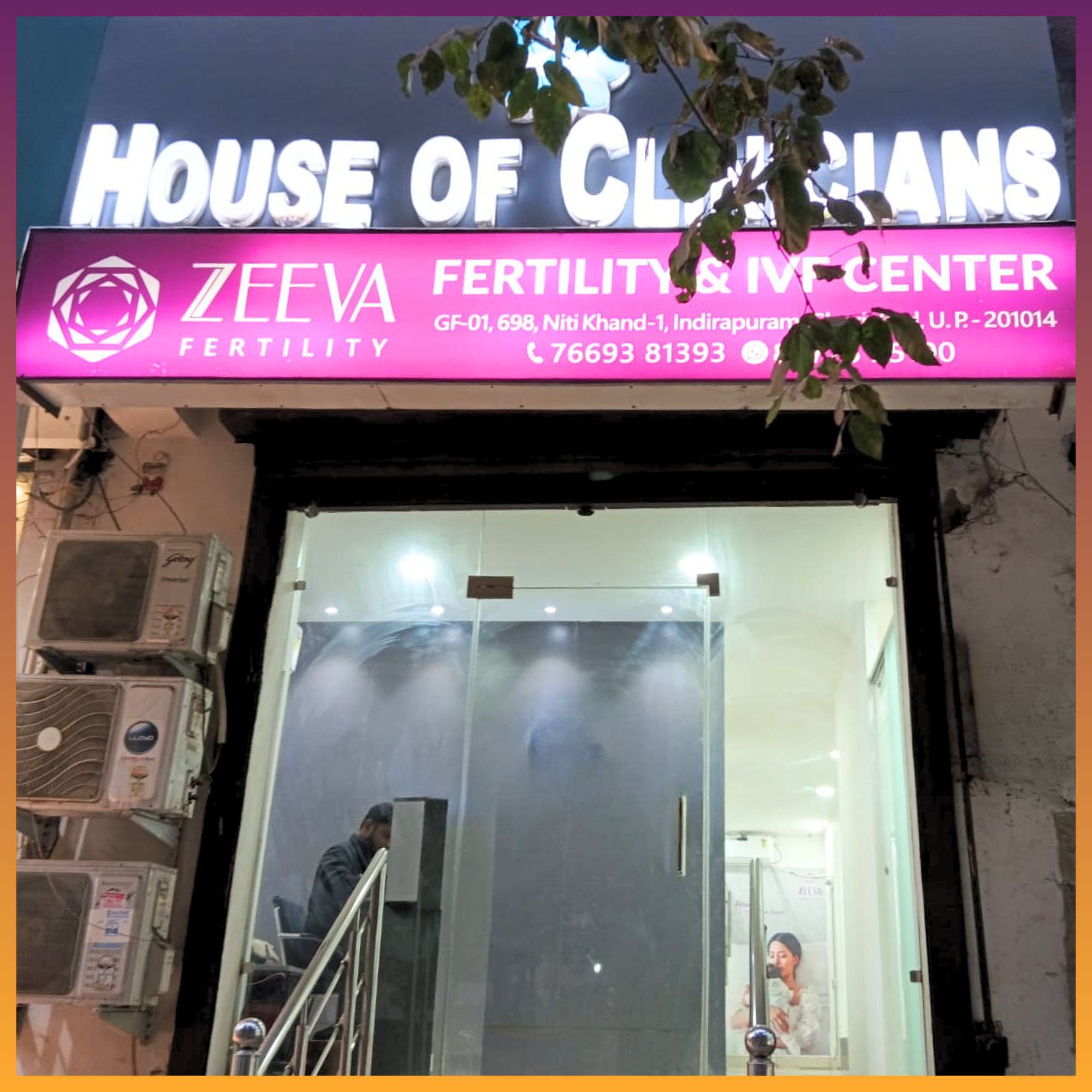
Zeeva Fertility in Indirapuram, Ghaziabad
GF-01, 698, Niti Khand I, Indirapuram, Ghaziabad, Uttar Pradesh 201014
(+91) 7669381393
6 pm - 8 pm

Zeeva Fertility in Sector 49, Gurugram
Ground Floor, BG 57, Element One Mall, Shop Number, Sector 49, Gurugram, Haryana, 122018
(+91) 7669381393
6 pm - 8 pm
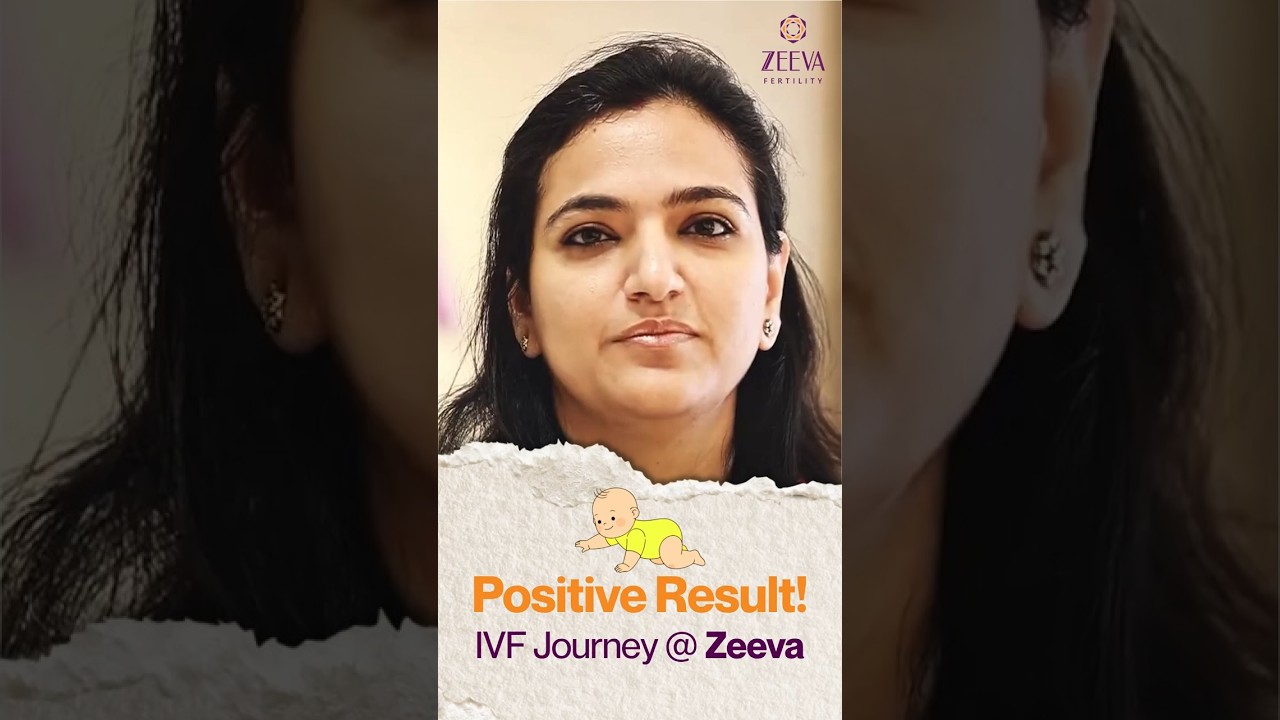
What our patients are saying
PCOS
PCOS
PCOS
PCOS
PCOS
PCOS
Ready to take the next step?
Talk to a Zeeva specialist — No pressure, clear options.
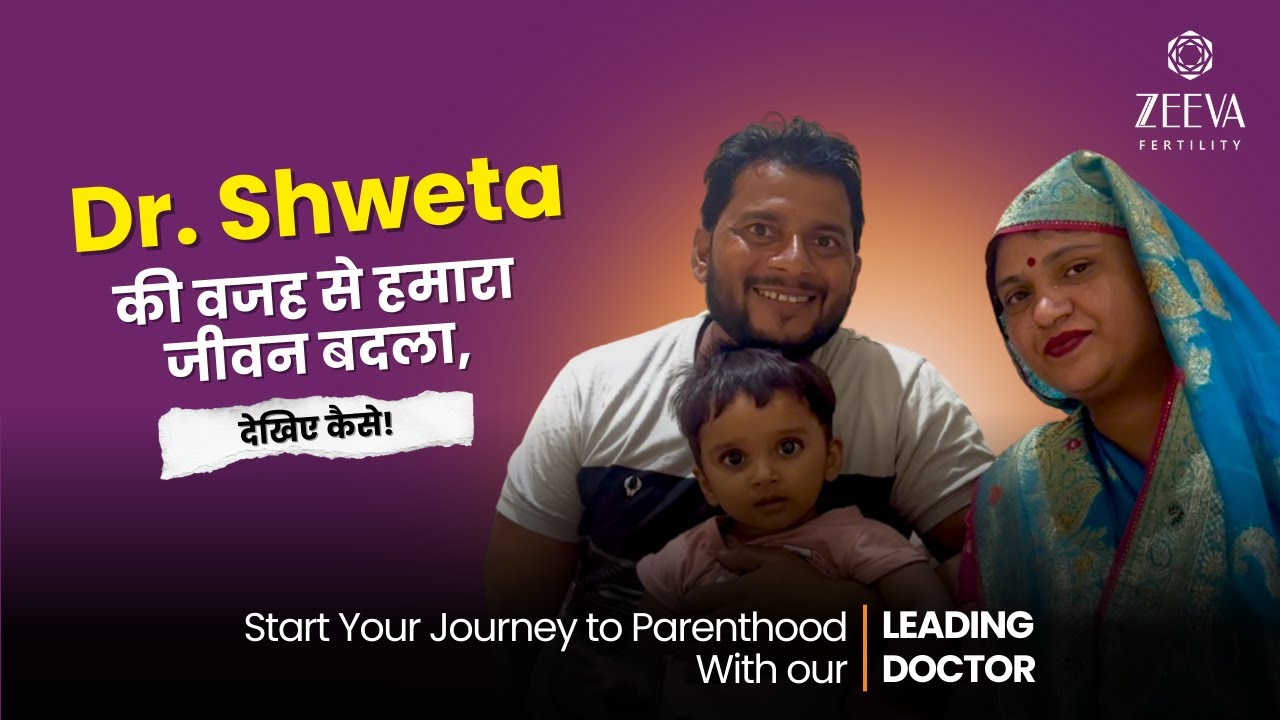
Real Stories. Real Hope. Real Families
- Enu Bakkey
- Marie Noela Eny
- Robina Khan
- Moshiur Rahman
Our Blogs
Expert fertility insights